The Understated Art of Looking Expensive Without Spending a Fortune
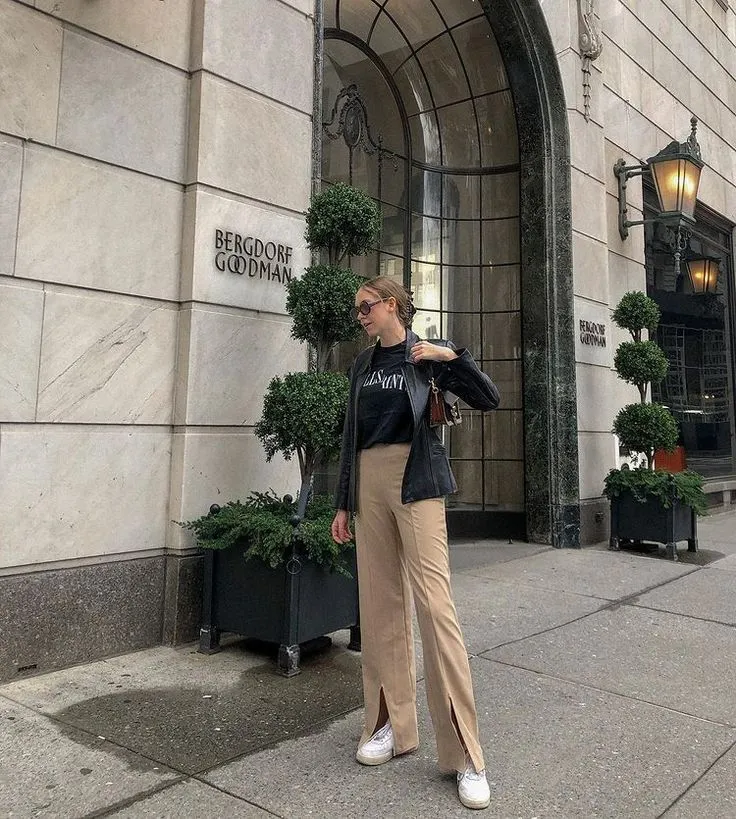
Photo: elegant woman neutral tones minimalist outfit sophisticated street style New York, via i.pinimg.com
Let us be direct about something the fashion industry rarely advertises: the most elegant women in any room are not always the most expensively dressed. They are, however, almost invariably the most deliberately dressed. There is a meaningful difference between the two — and understanding it is the first step toward achieving a level of style that feels both genuinely refined and genuinely sustainable.
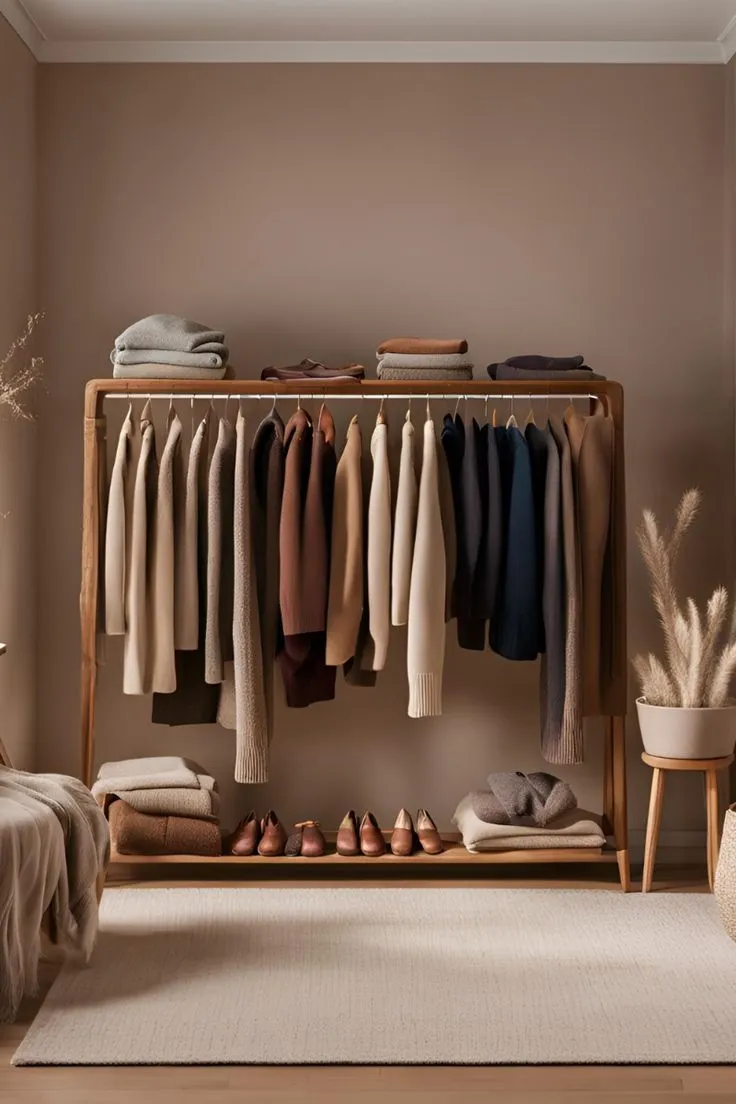
The aesthetic now widely described as quiet luxury — think clean lines, muted palettes, and an absence of visible branding — has resonated so deeply with American women precisely because it champions quality of presence over volume of expenditure. It asks not "How much did this cost?" but rather "How well does this fit? How thoughtfully was this chosen?"
The good news, and the truth that deserves to be said plainly: you do not need a Loro Piana budget to answer both questions beautifully.
Reframe What "Investment" Actually Means
The psychology of fashion spending is rarely discussed with the frankness it deserves. For years, the prevailing narrative encouraged women to equate price with value, designer labels with taste, and spending more with dressing better. This equation has always been flawed — and the quiet luxury movement, to its credit, has begun to dismantle it.
True investment dressing is not about the dollar figure on a price tag. It is about cost-per-wear — a far more honest metric. A $400 cashmere coat worn 80 times over four winters costs $5 per wearing. A $60 fast-fashion blazer that pills after six months and is discarded costs $10 per wearing. The arithmetic is humbling, and it reframes entirely how one ought to approach a purchase.
When you shift from asking "Can I afford this?" to "Will I genuinely wear this, and for how long?" the entire calculus of shopping changes. Suddenly, spending more on a single excellent piece feels rational rather than indulgent, and spending less on something you will discard in a season feels precisely as wasteful as it is.
The Quality Markers Worth Knowing
One of the most empowering things a woman can learn is how to assess garment quality independently of brand name or price point. The markers are consistent, learnable, and immediately applicable.
Fabric weight and composition are your first indicators. Natural fibers — wool, cotton, silk, linen, and cashmere — generally outperform synthetics in both appearance and longevity. A blouse that drapes with quiet authority is almost always constructed from a fabric with genuine weight. Synthetics tend to cling, crease, and catch the light in ways that read as inexpensive regardless of the label.
Seam finishing tells you how a garment was constructed. Turn a piece inside out and examine the edges. Cleanly finished seams — particularly French seams or bound edges — indicate a manufacturer who invested care in the construction. Raw, fraying edges suggest the opposite.
Pattern matching at the seams is another reliable signal. On a well-made striped shirt or plaid jacket, the pattern will align at the side seams and shoulder. This requires additional fabric and precision cutting — both of which cost a manufacturer more — and their presence indicates a commitment to quality that budget production rarely accommodates.
Button quality is a detail that sounds minor until you begin noticing it everywhere. Genuine horn, shell, or heavy resin buttons feel substantial in the hand and lie flat against fabric. Thin, hollow plastic buttons are among the most reliable indicators of a garment produced without attention to detail.
Where to Shop With Discernment
The contemporary American retail landscape offers a remarkable number of entry points for quality-conscious shoppers who are not working with a luxury budget. The key is knowing which channels to prioritize.
Department store sale floors — particularly at Nordstrom, Bloomingdale's, and Saks — frequently offer legitimate reductions on well-constructed pieces from mid-tier designers. The discipline required is to shop these sales with a specific list rather than an open mind; sales floors are designed to encourage impulse, and impulse is the enemy of a curated wardrobe.
Consignment and resale platforms have matured considerably. The RealReal, Vestiaire Collective, and Poshmark's luxury category now offer authenticated designer pieces at fractions of their original retail price. A well-maintained silk blouse from a recognized designer, purchased secondhand for $85, delivers both quality and quiet cachet without the accompanying guilt.
Direct-to-consumer brands — those that bypass wholesale markups by selling exclusively online — have also democratized quality in meaningful ways. Several American and European brands now produce genuinely excellent basics at accessible price points precisely because their cost structures allow it. The editorial team at Little Étoile regularly evaluates these brands against the quality markers outlined above, and the results frequently impress.
The Styling Decisions That Do the Heavy Lifting
Perhaps the most underestimated element of looking polished is not what you buy, but how you wear it. Fit is the great equalizer. A $90 trouser altered by a skilled tailor to skim the body precisely will consistently outperform a $500 trouser worn as purchased and swimming slightly at the waist.
Alterations are not an extravagance. They are, in fact, one of the highest-return investments a well-dressed woman can make. Most cities and towns across the United States have access to skilled tailors charging between $15 and $50 for basic adjustments — a sum that can transform an otherwise serviceable garment into something that appears bespoke.
Color discipline, as discussed in the context of capsule building, applies equally here. A monochromatic or tonal outfit — head-to-toe camel, or layered shades of ivory into ecru — reads as inherently sophisticated and deliberate. It is a styling choice that costs nothing and communicates volumes.
Accessories, chosen carefully, complete the picture. A single quality leather handbag — one with clean lines and minimal hardware — elevates an entire outfit in a way that three trend-driven bags never could. The same principle applies to footwear: one pair of well-constructed leather loafers or pointed-toe flats in a neutral shade will serve more outfits, more elegantly, than a shelf of seasonal novelties.
Elegance as Perspective, Not Price
The quiet luxury aesthetic endures because it is, at its core, a philosophy rather than a trend. It is a commitment to the idea that how you present yourself to the world deserves thought and care — and that thought and care are available to every woman, regardless of her clothing budget.
At Little Étoile, we have always maintained that curation is the true luxury. Knowing what to choose, understanding why it matters, and wearing it with the quiet confidence of a woman who has made deliberate decisions — this is an aesthetic that no price tag can manufacture and no budget can diminish.
Dress with intention. The rest follows naturally.