Dressed for Every Season: The Case for a Wardrobe Without an Expiration Date
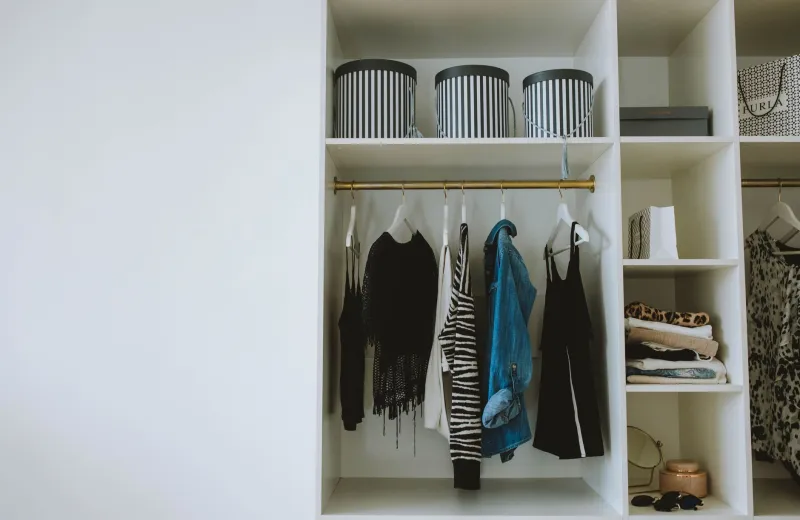
Somewhere between the summer clearance sale and the arrival of fall's first lookbooks, a quiet anxiety sets in. The wardrobe that felt complete just weeks ago suddenly appears inadequate — too light, too bright, too last-season. It is a feeling the fashion industry has carefully cultivated, and one that costs American women both significant money and considerable mental energy each year.
But there is another way to dress. A more considered, more enduring approach that treats the closet not as a revolving door of seasonal impulse purchases, but as a living archive of thoughtfully chosen pieces that serve you in January as readily as they do in July. This is the seasonless wardrobe — and mastering it is one of the most liberating decisions a discerning woman can make.
Why the Seasonal Refresh Is a Myth Worth Retiring
The notion that one's wardrobe must be overhauled with each new season is, at its core, a commercial construct rather than a sartorial necessity. Trends accelerate. Retail calendars compress. What arrives in stores in August is positioned as essential by September and obsolete by November. The woman who participates in this cycle rarely builds a wardrobe of genuine depth — she builds, instead, a collection of moments, each piece tied to a specific season and swiftly dated.
The seasonless closet operates on an entirely different philosophy. Rather than asking what is new, it asks what endures. Rather than chasing the moment, it invests in longevity. And rather than demanding constant reinvention, it rewards the intelligence of its architect with effortless versatility.
The Silhouette Is the Foundation
If the seasonless wardrobe has a cornerstone, it is the timeless silhouette. Certain shapes — the tailored blazer, the straight-leg trouser, the wrap dress, the A-line midi skirt — have demonstrated a remarkable resistance to obsolescence. They have appeared in some form across decades, absorbing each era's surface-level trends without surrendering their fundamental elegance.
When building a year-round wardrobe, prioritize these proven silhouettes above all else. A well-cut blazer in a neutral tone is not a fall piece or a spring piece — it is a wardrobe pillar that bridges every transitional moment with authority. A fluid wrap dress in a muted print serves equally well beneath a cashmere cardigan in October as it does on its own in a warm April breeze. The silhouette does the enduring work; the styling does the seasonal translation.
This distinction matters. When you invest in a silhouette rather than a trend, you are purchasing adaptability — a far more valuable commodity than novelty.
Fabric as Strategy, Not Afterthought
Perhaps no single decision shapes the seasonless wardrobe more profoundly than fabric selection. The woman who reflexively reaches for heavy wool in winter and linen in summer is limiting herself unnecessarily. A more sophisticated approach treats fabric as a year-round strategic tool.
Consider the quiet versatility of mid-weight fabrics: a fine merino knit that layers gracefully beneath a trench coat in February and stands alone in an air-conditioned office in August; a ponte trouser with enough structure for a boardroom and enough ease for a cross-country flight in any month; a silk-blend blouse that reads equally refined beneath a wool coat or tucked into wide-leg trousers on a temperate autumn afternoon.
The seasonless wardrobe also benefits enormously from natural fibers with inherent temperature-regulating properties. Cashmere, silk, and fine merino wool respond intelligently to the body, making them far more versatile than their seasonal reputations suggest. A lightweight cashmere turtleneck, for instance, is not merely a winter garment — it is an elegant layering piece that earns its place in a wardrobe twelve months a year.
The Architecture of Layering
Layering is the mechanism through which the seasonless wardrobe operates. It is not simply about wearing more clothing in colder months — it is about constructing outfits that can be added to or stripped back as temperatures and occasions demand, without losing their essential coherence.
Effective layering requires pieces that were designed with one another in mind, even if they were not purchased together. Proportions must be considered: a fine-knit turtleneck beneath a structured blazer beneath a fluid overcoat creates a layered look of genuine elegance. A silk slip dress worn over a fitted long-sleeve top — a styling approach that has appeared consistently across American fashion for the better part of three decades — demonstrates how layering can extend the life of a piece far beyond its apparent season.
The key is to think in terms of systems rather than individual garments. Each piece you acquire should have a clear relationship to at least three others already in your wardrobe. If it does not, it is likely a seasonal impulse rather than a true investment.
Color as the Unifying Thread
A seasonless wardrobe is not, by necessity, a neutral wardrobe — but it does demand a cohesive color logic. When every piece in your closet speaks the same tonal language, the possibilities for year-round combination multiply considerably.
This does not mean restricting yourself to black, white, and grey. A personal palette might be built around warm caramels, ivory, and deep burgundy — or around cool slate, navy, and sage. The precise colors matter less than their internal harmony. When your wardrobe operates within a considered palette, transitional dressing becomes intuitive rather than effortful. Summer's ivory linen trousers pair seamlessly with autumn's caramel cashmere sweater. Winter's navy coat anchors spring's floral silk blouse with equal grace.
Releasing the Pressure of the Seasonal Refresh
There is something quietly radical about stepping off the trend treadmill. In a culture that profits from manufactured dissatisfaction — from the persistent suggestion that what you own is no longer sufficient — choosing to build a wardrobe of genuine, enduring quality is an act of both financial intelligence and personal confidence.
The seasonless closet does not ask you to dress without interest or intention. It asks, instead, that your interest be directed toward the permanent rather than the ephemeral — toward the silhouette that will serve you for a decade rather than the print that will feel dated in six months. It asks for discernment in place of acquisition, and for architecture in place of accumulation.
When your wardrobe is built this way, getting dressed in any season becomes a pleasure rather than a problem. There is no gap to fill, no missing piece that last season's trends have suddenly rendered essential. There is only a thoughtful collection of garments that know how to work together — and a woman who knows exactly how to wear them.
That, ultimately, is the promise of the seasonless wardrobe: not fewer choices, but more meaningful ones.