Before You Buy: A Considered Timeline for Every High-Investment Piece
There is a particular kind of longing that arrives the moment you encounter a truly exceptional piece. A cashmere coat in a shade that feels almost written for you. A structured leather bag whose proportions are, somehow, exactly right. In that moment, the question is rarely whether you want it. The question—the one that separates a wardrobe built with intention from one assembled in moments of desire—is when.
Timing, it turns out, is not incidental to the art of dressing well. It is central to it.
The Moment of First Encounter
When a piece catches your eye, the initial impulse is to treat that feeling as a signal to act. And occasionally, it is. But more often, that first encounter is simply the beginning of a longer conversation between you and the garment—one worth having slowly.
Before anything else, ask yourself a single clarifying question: Does this piece solve a problem I already know I have, or does it create a vision of a life I haven't yet lived?
These are not equally reliable motivations. A coat that fills a genuine gap in your cold-weather rotation is a different proposition than a gown that speaks to an occasion you imagine attending someday. Neither is inherently wrong, but they carry different levels of risk. The first is a practical investment. The second is a bet on your future self—and that bet deserves considerably more scrutiny.
Note the piece. Photograph it. Write down what drew you to it. Then give yourself a minimum of two weeks before returning.
The Waiting Period: What Absence Reveals
Two weeks is not an arbitrary interval. It is long enough for the initial excitement to settle, but short enough that a genuinely relevant piece will remain in your thoughts. What you remember with clarity after a fortnight is almost always what belongs in your wardrobe. What fades was likely a response to atmosphere—the lighting of a boutique, the persuasion of a sale, the mood of a particular afternoon.
During this period, consider the piece against the actual texture of your daily life. Think through a typical week: the meetings you attend, the dinners you host or join, the weekends you spend. Where does this piece appear? If you find yourself constructing elaborate scenarios to justify its inclusion, that is information worth heeding.
Seasonality is also worth examining honestly here. A linen blazer encountered in February may feel urgent, but purchasing it in the depths of winter means it will spend months in storage before earning a single day of wear. That delay is not merely inconvenient—it can subtly erode your enthusiasm and your sense of whether the piece was truly right for you.
Evaluating the Lifecycle: Five Years Forward
One of the most reliable tests for any significant investment is the five-year projection. It requires a degree of self-knowledge that is only developed through time spent paying attention to your own evolving tastes—but it is worth attempting regardless.
Imagine the piece in your wardrobe five years from now. Not in a fantasy wardrobe, but in the actual one you have: your current city, your current role, your current rhythm. Does it still belong? Does the silhouette feel anchored in something enduring, or does it carry the particular energy of a specific cultural moment that may not age gracefully?
This is not a call for conservatism. Some of the most rewarding pieces in a well-tended wardrobe are those with genuine character and point of view. But character and trend are not the same thing. A dramatically proportioned sleeve that defines a season is a different investment than a beautifully cut trouser that transcends one.
If you can articulate why a piece will remain relevant to your life in five years—not to fashion in general, but to your life—then you have likely identified a true investment. If the answer depends on fashion remaining where it is today, proceed with caution.
When to Splurge Without Hesitation
There are circumstances in which the case for immediate investment is genuinely strong, and it is worth naming them clearly.
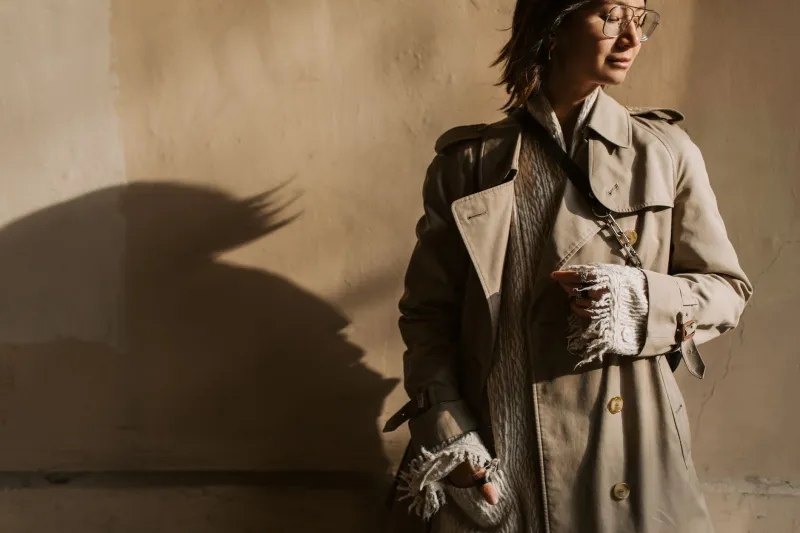
Splurge without reservation when a piece represents a foundational category you have never properly addressed. A woman who has never owned a coat of genuine quality—one that fits precisely, that moves with her, that holds its structure season after season—is not being extravagant when she finally acquires one. She is correcting an absence that has cost her in smaller, repeated purchases over years.
Splurge when you have done the waiting, the imagining, and the projecting, and the answer remains unambiguous. When a piece has survived your own scrutiny across weeks and across scenarios, it has earned its place.
Splurge, too, when the alternative is purchasing something lesser out of impatience. Buying a second-rate version of what you actually want is rarely economical. It tends to produce exactly the kind of wardrobe clutter that obscures the pieces you genuinely love.
When to Wait—and What to Do Instead
Wait when the piece in question represents a style direction you have only recently begun exploring. Personal style evolves, and the most satisfying investments are made from a place of settled conviction rather than early curiosity. If you have only just discovered a love for tailoring, for instance, it may be wiser to test the territory with a less significant purchase before committing to a bespoke blazer.
Wait when your life is in transition—a new city, a new role, a significant shift in your daily context. The wardrobe that serves you well in one chapter may require meaningful revision in the next, and an expensive piece purchased at the threshold of change can find itself unexpectedly irrelevant.
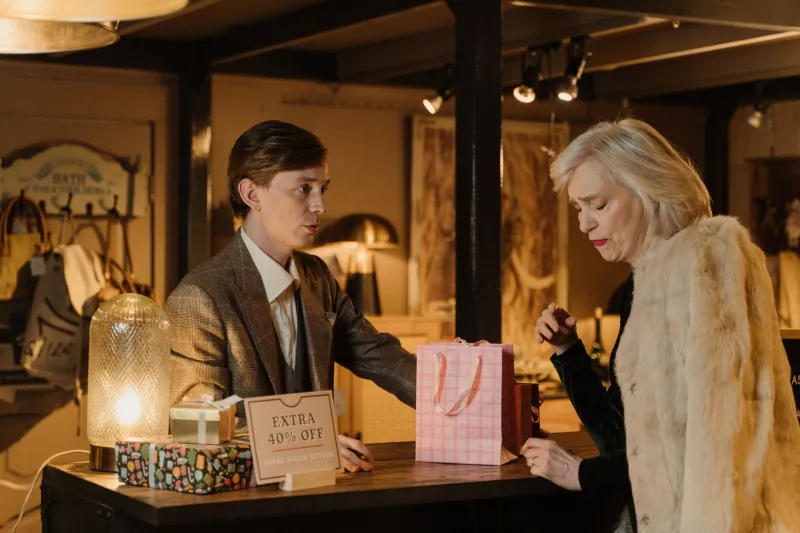
And wait, always, when the urgency you feel is manufactured—by a sale deadline, by a limited-quantity notice, by the social pressure of a shopping companion's enthusiasm. Artificial scarcity is one of fashion's oldest persuasions. A piece that is right for you will very likely be right for you next week as well.
The Purchase as the Beginning, Not the End
When you do commit—when the waiting and the questioning have led you to a clear and unhurried yes—treat the purchase as the beginning of a relationship rather than its conclusion. The most rewarding investments in a wardrobe are those that are worn consistently, cared for attentively, and allowed to develop the kind of presence that only comes with time and use.
A well-chosen coat does not merely keep you warm. Over seasons and years, it becomes part of the visual language through which others recognize you—and through which you recognize yourself. That is not an outcome that can be rushed.
The investment timeline, then, is not a set of rules so much as a practice: a habit of attention that transforms the act of acquiring into something more deliberate and, ultimately, more satisfying. Spend thoughtfully. Wait patiently. And when the moment arrives, commit fully.